
In the dazzling galaxy of diamonds, pink diamonds, with their unique gentleness and preciousness, have become nature's rarest gift. From ancient mines to modern laboratories, the legend of pink diamonds spans centuries, and the rise of cultured colored diamonds has given this romance a whole new interpretation.
I. The Birth of Pink Diamonds: The Magnificent Code from the Earth's Depths
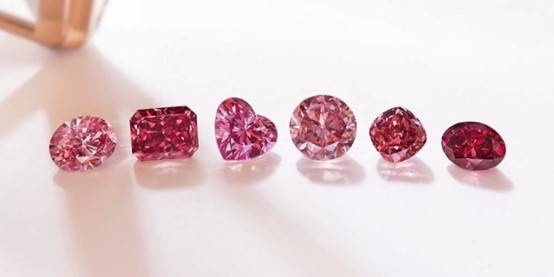
The pink color of pink diamonds is not caused by trace elements such as nitrogen and boron. Rather, it is due to the intense geological movements and extreme compression that occur after the diamond forms underground, causing the internal carbon atom lattice to twist, slip, and plastically deform. These lattice defects selectively absorb light around a wavelength of 550nm, resulting in a soft to rich pink hue. Only a very small number of pink diamonds are colored by NV color centers (nitrogen + vacancies). The harsh and rare mineralization conditions, coupled with the fact that they must be brought to the surface by volcanic activity to be discovered, make natural pink diamonds extremely rare.
Lab -grown pink diamonds utilize the mainstream treatment method of "irradiation + high-temperature annealing," artificially creating specific color centers within the diamond's crystal lattice to achieve their pink hue. This fully controllable process ensures the color and clarity quality of lab-grown pink diamonds, making them a cost-effective and sustainable alternative to natural pink diamonds, perfectly suited to the jewelry market.
need.
II. The Legend of Pink Diamonds: From Royal Collection to Global Acclaim
Origin: Royal Treasures of Golconda, India

Pink diamonds were first discovered in the early 17th century at the Kholul mine in the Kingdom of Golconda (present-day Guntur district, Andhra Pradesh), India, one of the earliest known diamond-producing regions.
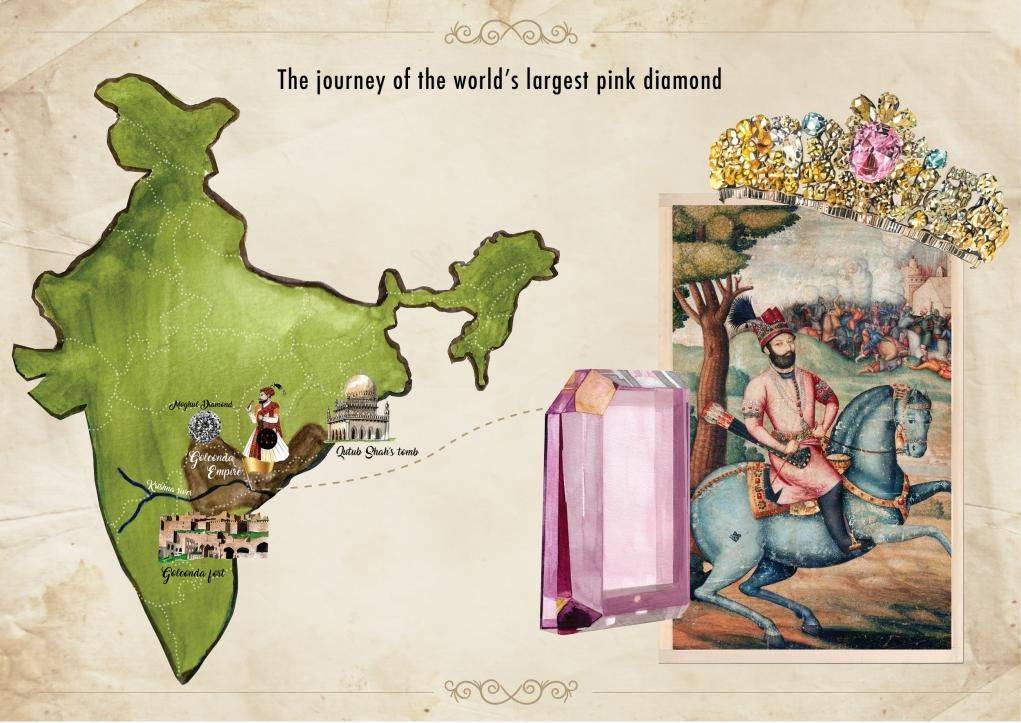
In 1642, French explorer Jean-Baptiste Tavernier first recorded the pink diamond in his travelogue "Six Journeys," mentioning that the Mughal monarch showed him a giant pink diamond rough weighing over 200 carats ("The Great Table"), which is the largest pink diamond ever recorded.
Rise: The Age of Pink Diamonds in Argyle

In 1983, the Argyle diamond mine in Australia officially began operations, completely reshaping the global pink diamond landscape—it produced over 90% of the world's natural pink diamonds, renowned for their vibrant and intense pink color. At its peak, the Argyle mine produced 20 million carats of diamonds annually, with only 0.1% classified as pink diamonds, among which the highly saturated "Argyle pink" was a darling of the collector's market.
III. Era of Change: Cultivating Colored Diamonds and Expanding the Market Landscape
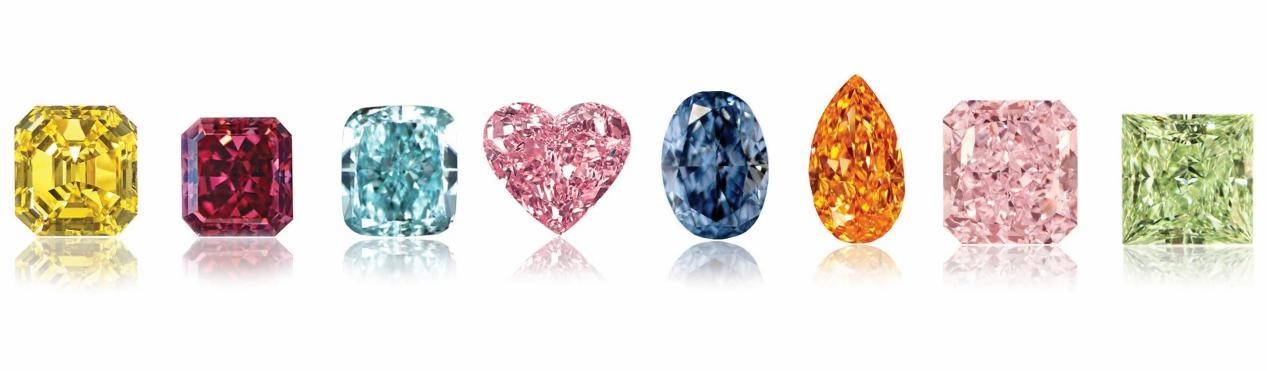
With the development of science and technology , laboratory-grown colored diamonds (HPHT/CVD method) have achieved industrialized mass production, bringing a disruptive impact to the colored diamond industry and making the romance of pink diamonds within reach.
( 1 ) Supply and price
Cultured pink diamonds are produced by simulating the natural diamond growth environment, taking weeks to months to grow. Color, clarity, and carat weight are controllable, and the cost is only 1/5 to 1/10 of that of natural pink diamonds of the same quality. This revolution has broken the logic that "scarcity equals high price" for natural colored diamonds , allowing previously million-dollar colored diamond jewelry to enter the mass consumer market at affordable prices, opening up a new avenue for fashion accessories and everyday wear.
( 2 ) Reconstruction of market value
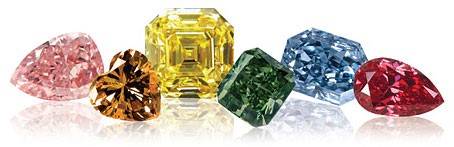
Natural pink diamonds, with their geological imprints from hundreds of millions of years, unique color banding, and historical significance, firmly occupy the market for collection, investment, and high-end jewelry, with scarcity and emotional value becoming the core premium points; while cultured pink diamonds, with their high cost-performance ratio and environmentally friendly attributes, have become the first choice for young consumers and accessible luxury brands, driving the colored diamond market from "single scarcity" to "multiple choices".
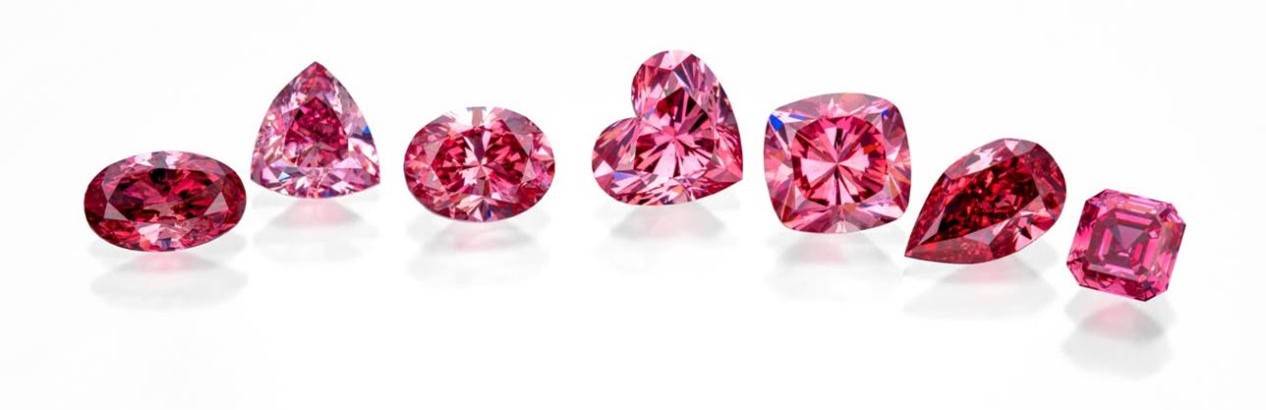
( 3 ) Technology and certification: Upgrading of professional standards
Cultured pink diamonds share essentially the same chemical composition and physical properties as natural pink diamonds , but their formation mechanisms differ—the lattice distortion and color banding of natural pink diamonds are natural features that cannot be replicated by cultured techniques. This difference, in turn, drives the upgrading of traditional gem testing technologies . The Guiero Gem Laboratory, through spectral analysis and microstructural testing, accurately distinguishes between natural, cultured, and treated colored diamonds, providing an objective and impartial basis for market regulation .
IV. 4C+5G Grading System for Colored Diamonds
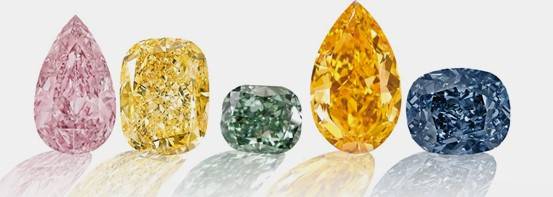
Based on years of experience and technological expertise in gem testing , GIL has innovatively launched a 4C+5G grading system for lab-grown colored diamonds , using scientific spectrophotometry, standard light source comparison, and industry market demands. This system addresses pain points across the industry with a single standard, enabling lab-grown colored diamonds to have definable colors, quantifiable grades, comparable values, and traceable certificates.
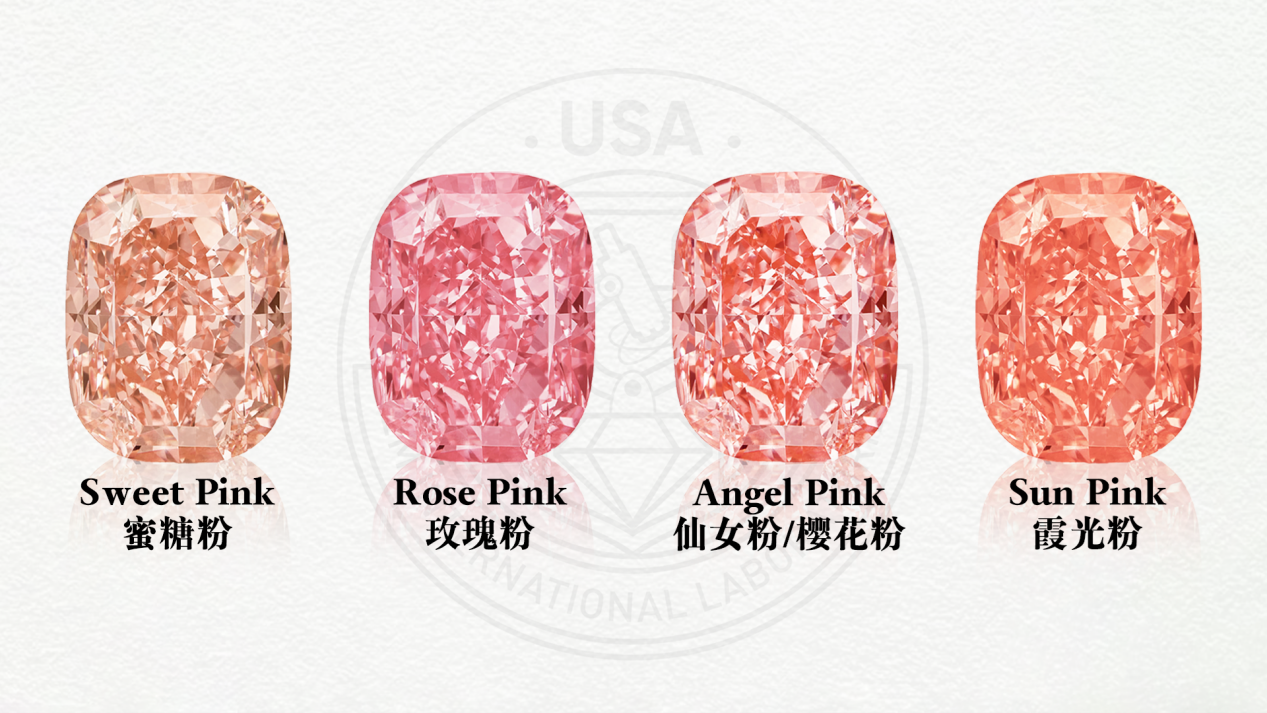
The Chiero "4C+5G" grading system consists of two main parts: the 4C color classification system and the 5G luminosity grading system. Taking pink diamonds as an example, it is further subdivided into four sub-color systems based on overtone, hue, and visual style, using Chinese and English commercial names , which are both professional and clear , close to market communication, and easy for consumers to remember quickly.
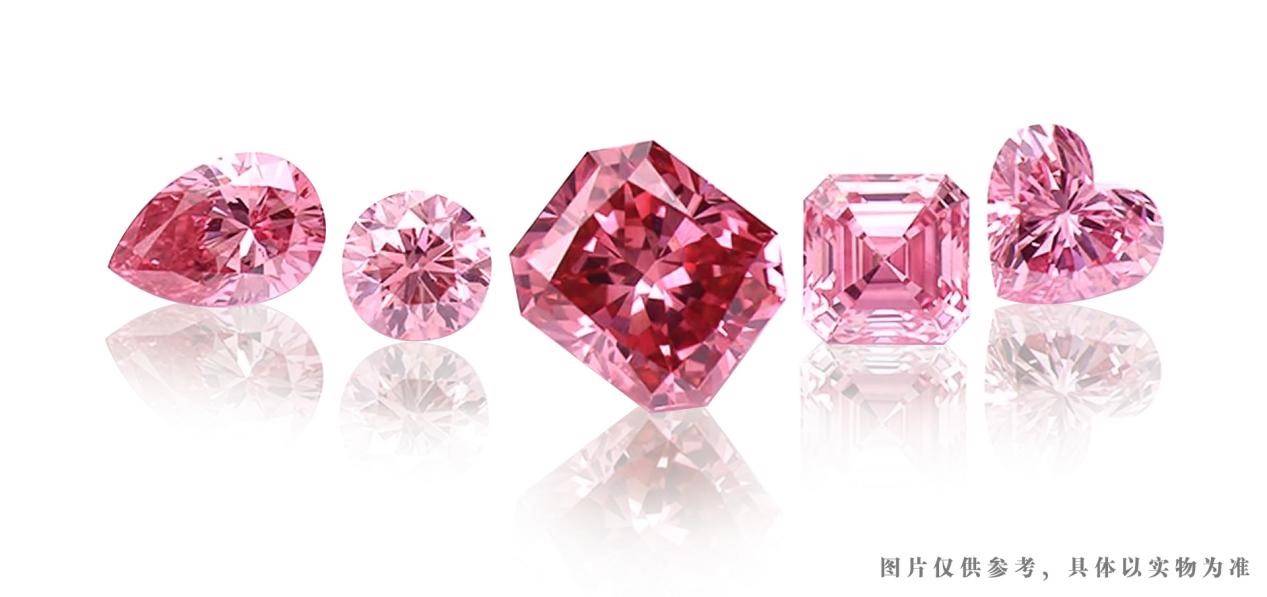
After determining the sub-color system, GIL uses color brightness, saturation, and visual depth as core indicators to uniformly divide all sub-color systems into five levels , G1 to G5, with G1 being the lightest level and G5 being the highest level.
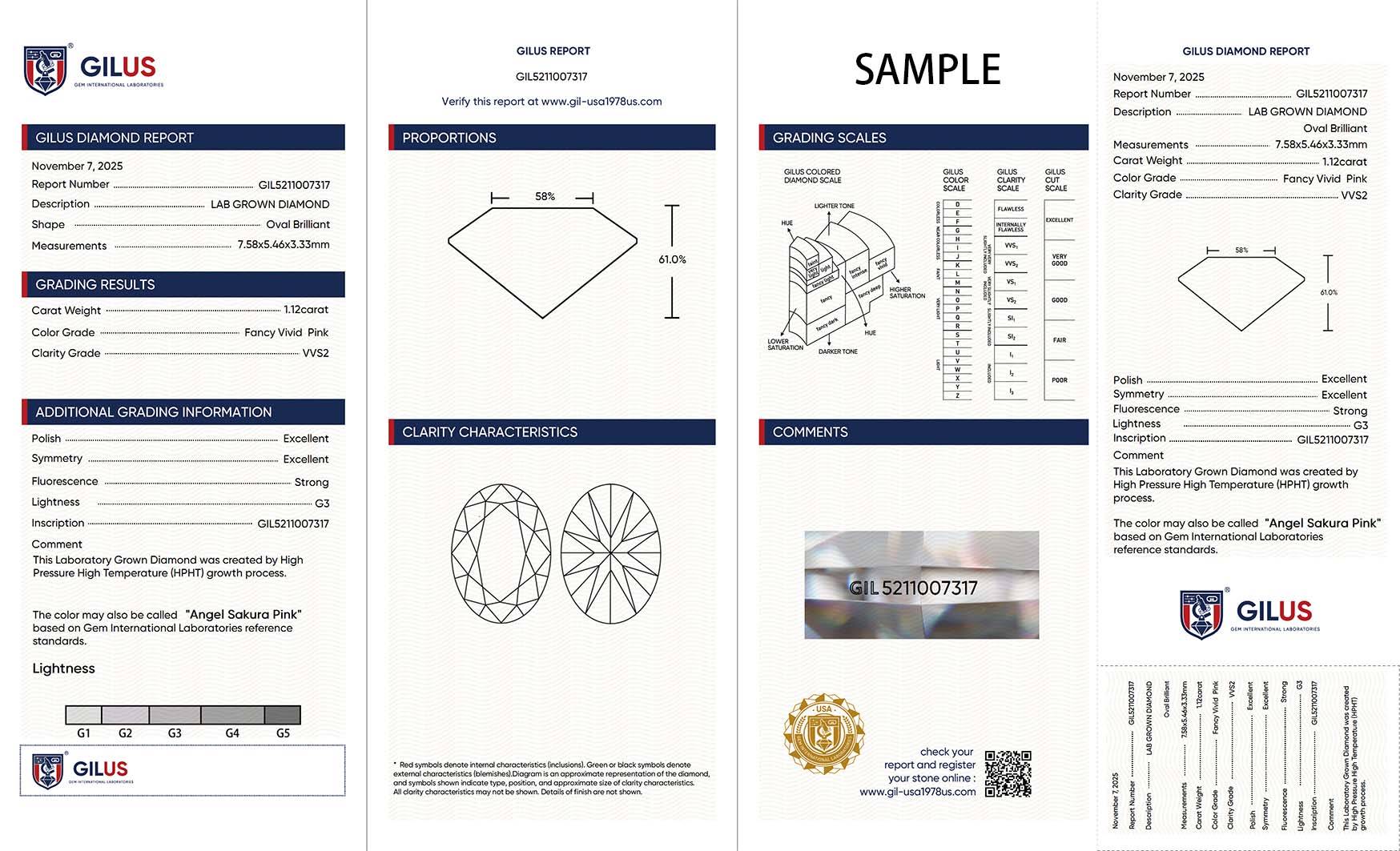
lab-grown colored diamond testing reports issued by the Guiro Gem Laboratory will uniformly indicate: sub-color name + 5G grade, making the information clear, concise and easy to understand , so that consumers can buy with confidence and wear with peace of mind.
From millions of years of geological refinement deep within the Earth to legendary royal treasures and technological replication in laboratories, the romance of pink diamonds has never been confined to a single form. Natural pink diamonds are legendary for their scarcity, carrying an irreplaceable gift from nature and the weight of history; lab-grown pink diamonds break down barriers with technology, allowing this gentle beauty to enter the lives of more people. Together , they have built a diversified landscape in the colored diamond market.
In the future, GIL will continue to be based on technology, guided by standards, and centered on service, constantly upgrading testing equipment, optimizing identification processes, and improving service quality to provide the global jewelry industry with more technological , safer , and more efficient jewelry testing services .