From Mining Flaw to Laboratory Treasure: How Lab-Grown Yellow Diamonds Are Revolutionising the Fancy Coloured Diamond Industry
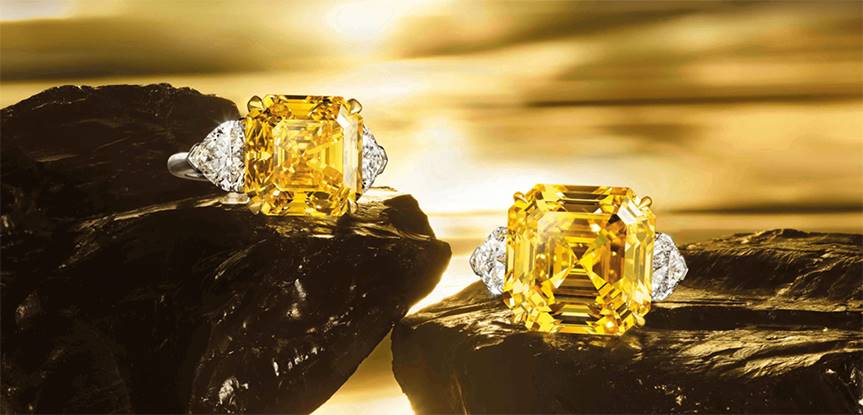
黄钻,一直是彩钻里极具人气的经典品类。暖而明亮的黄色,自带温柔贵气,从古代矿场里被视作瑕疵,到如今拍卖行万众瞩目的珍品,它的价值认知走过漫长的转变。而培育黄钻技术的成熟,更是为这个赛道带来颠覆性变化。
Fancy yellow diamonds have long been an iconic and immensely popular category within fancy colored diamonds. Boasting a warm, luminous yellow hue that exudes gentle opulence, they were once dismissed as flawed stones at ancient mining sites, yet today stand as coveted treasures fetching headline prices at auction houses. The market’s understanding of their value has undergone a long evolutionary journey. The maturation of lab-grown fancy yellow diamond technology, in particular, has brought disruptive change to this segment.
一、黄钻的颜色从何而来
I. Where Does the Yellow Color of Yellow Diamonds Come From?
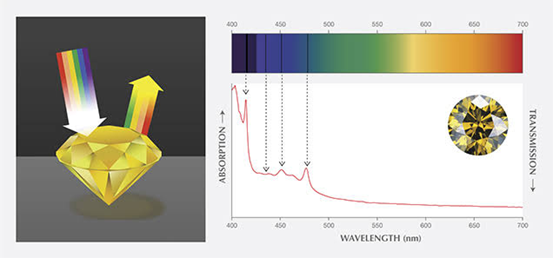
天然黄钻形成于地下一百多公里的地幔深处,在亿万年高温高压环境中,碳原子有序搭建起钻石晶格。晶体生长过程里,少量氮原子随机混入晶格、取代碳原子的位置,形成氮色心;氮原子会选择性吸收可见光中的蓝紫光,反射透出黄、橙调光线,钻石由此呈现温暖的黄色,也就是我们熟知的黄钻。
Natural yellow diamonds form deep in the mantle, more than 100 kilometers beneath the Earth’s surface. Over hundreds of millions of years under high temperature and pressure, carbon atoms arrange themselves in an orderly diamond lattice. As the crystal grows, a small number of nitrogen atoms randomly enter the lattice and replace carbon atoms, creating nitrogen color centers. These nitrogen atoms selectively absorb blue and violet light from the visible spectrum, reflecting light with yellow and orange undertones — this produces the warm yellow shade we know as the yellow diamond.
二、黄钻的发展历史
II. The History of Yellow Diamonds
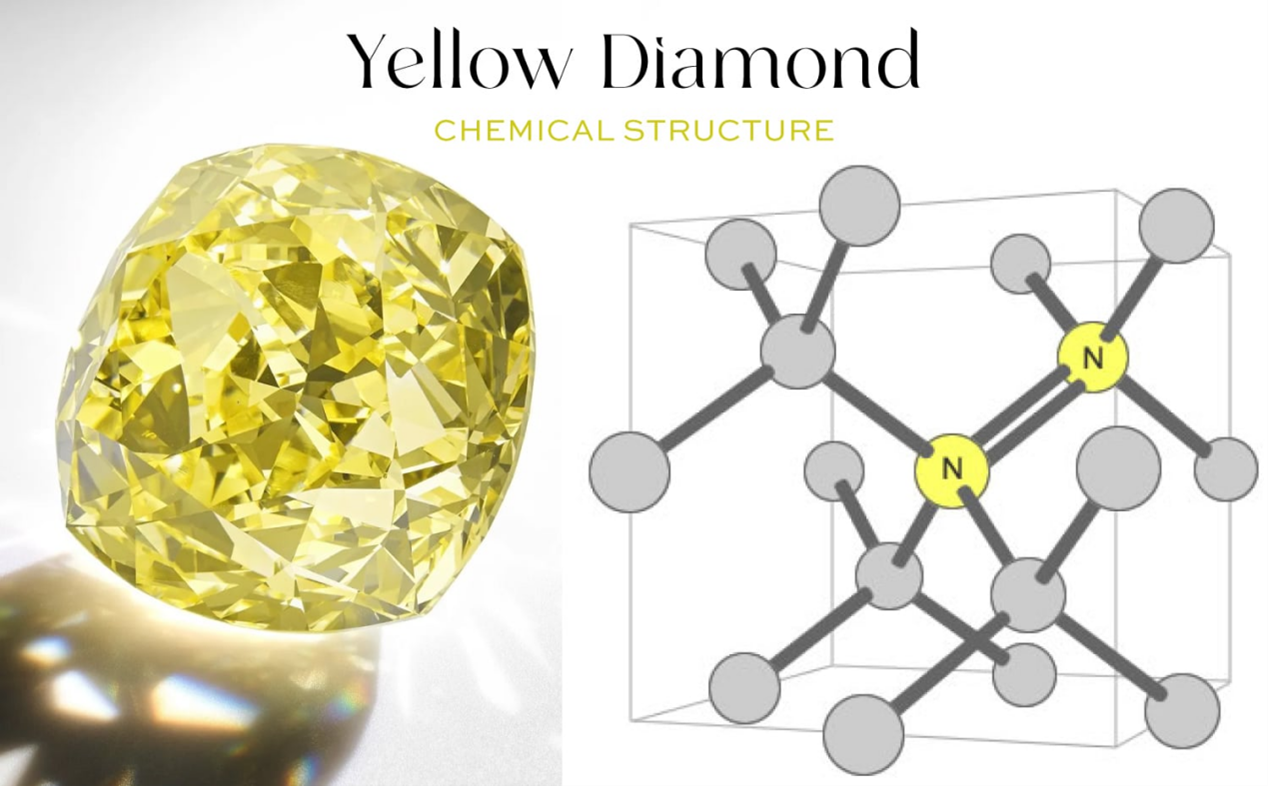
早在古印度钻石开采早期,人们就已经发现带黄色调的钻石,但在很长一段时间里,黄色都被视作钻石的 “瑕疵色”。近代钻石行业建立 D-Z 无色分级体系之后,行业默认钻石越接近无色,价值越高,带黄调原石常常被低价处理。
直到 20 世纪中后期,珠宝市场慢慢发掘出黄钻独有的暖调美感,价值评判逻辑被重新定义:彩钻不以 “无色” 为优,而是以颜色饱和度、色调纯正度判定品级高低。此后,金丝雀黄钻、蒂芙尼黄钻、格拉夫黄钻等顶级黄钻频繁亮相各大拍卖行,天价成交记录不断刷新,黄钻正式站稳高端彩钻赛道。
Yellow-tinged diamonds were discovered as early as the initial diamond mining era in ancient India. For a very long time, however, yellow was regarded as an “imperfection” in diamonds. After the D-to-Z colorless grading system was established for the modern diamond trade, the industry defaulted to the rule that the closer a diamond was to colorless, the higher its value. Rough stones with yellow undertones were often sold at discounted rates.
It was not until the mid-to-late 20th century that the jewelry market began to appreciate the unique warm aesthetic of yellow diamonds, reshaping the logic of value assessment. For fancy colored diamonds, colorlessness is no longer the benchmark; instead, grade is determined by color saturation and hue purity. Since then, top-tier yellow diamonds such as the Canary Yellow Diamond, the Tiffany Yellow Diamond and the Graff Yellow Diamond have repeatedly appeared at major auctions, setting new record-breaking sale prices. Yellow diamonds have firmly secured their place among high-end fancy colored diamonds.
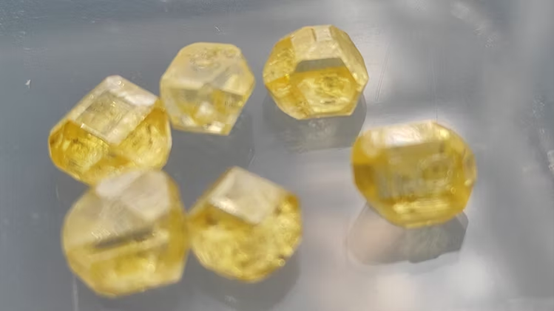
但天然黄钻中的氮元素属于随机混入,颜色饱和度无法人为控制,高品质艳彩黄钻产量极低,大克拉浓彩、艳彩黄钻更是可遇不可求,因此天然黄钻在市场上价格常年居高不下。
Nitrogen incorporates randomly in natural yellow diamond formation, making color saturation impossible to control artificially. Premium Fancy Vivid yellow diamonds are extremely scarce, and large-stone Fancy Intense and Fancy Vivid yellow diamonds are exceptionally rare. This is why natural yellow diamonds have consistently maintained high market prices.
三、培育黄钻的培育工艺
III. Growth Technology of Lab-Grown Yellow Diamonds
上世纪 50 年代,HPHT 高温高压培育钻石技术率先实现突破。该技术模拟地幔成钻环境,在六面顶压机内部复刻天然钻石的温压条件,依靠碳源与金属触媒体系生长钻石晶体。
In the 1950s, HPHT (High Pressure High Temperature) lab-grown diamond technology achieved its first major breakthrough. This technology replicates mantle diamond-forming conditions, recreating the required temperature and pressure inside a cubic press. Diamond crystals grow from a carbon source within a metallic catalyst system.
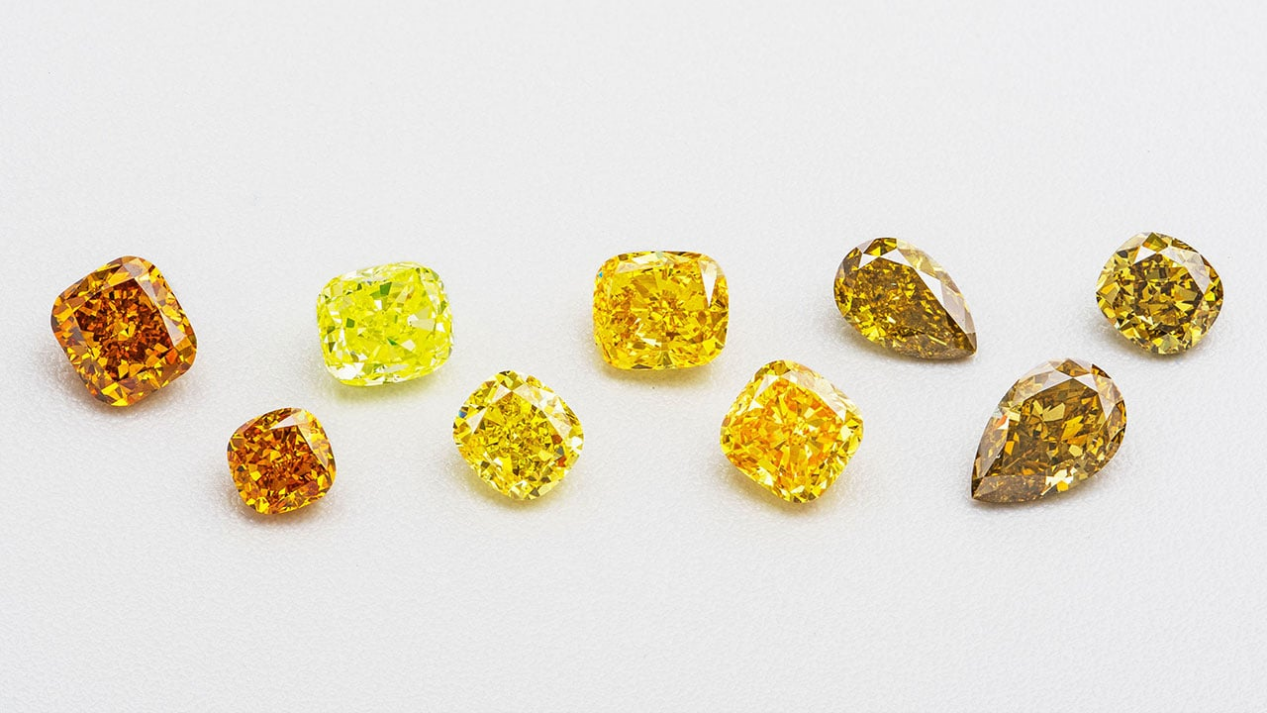
在HPHT 生长体系中,触媒与碳原料本身带有氮元素,晶体生长时氮原子很容易进入钻石晶格形成氮色心。无需后期辐照改色,在晶体生长阶段就能直接形成黄色钻石,这也是 HPHT 黄钻区别于多数CVD彩钻的核心特点。
Nitrogen is naturally present in the catalyst and carbon feedstock of HPHT growth systems. During crystal formation, nitrogen atoms readily enter the diamond lattice to form nitrogen color centers. Yellow diamonds form directly during crystal growth, with no need for post-growth irradiation treatment — this is the key distinction between HPHT yellow diamonds and most CVD fancy colored diamonds.
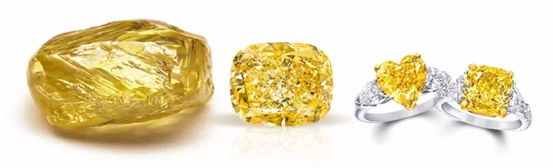
工程师可以通过调控体系内氮的添加量,精准控制黄色饱和度:氮含量低则为浅黄;氮含量升高,颜色可以逐步过渡到中彩、浓彩、艳彩黄,色调可控、批次稳定。而CVD工艺原生环境偏向低氮条件,市面上绝大多数CVD黄钻都需要后续改色处理。随着晶体生长技术持续迭代,培育黄钻也成为最早量产、工艺最成熟的培育彩钻品类。
Engineers precisely adjust nitrogen dosage within the system to regulate yellow saturation: low nitrogen yields pale yellow; rising nitrogen levels produce sequential color grades from Fancy Light, Fancy, Fancy Intense through to Fancy Vivid Yellow, delivering consistent hue across batches. The native growth environment of CVD favors low nitrogen conditions, so nearly all CVD yellow diamonds available on the market require subsequent post-treatment to achieve color. Thanks to continuous advances in crystal growth techniques, lab-grown yellow diamonds have become the earliest mass-produced and most technically mature category of lab-grown fancy colored diamonds.
四、培育黄钻带来的变化
IV. Transformations Brought by Lab-Grown Yellow Diamonds
(1)打破天然黄钻的稀缺溢价壁垒
过去一枚一克拉艳彩天然黄钻入手门槛极高;培育黄钻大幅降低了高饱和度黄钻的成本,浓彩、艳彩黄钻不再只是藏家专属,普通消费者也可以轻松入手彩钻主石,彩钻从收藏奢侈品,转变为适合日常佩戴的主流选择。
(2)供给稳定,规格自由
天然黄钻原石的成色、克拉大小完全依靠开采运气,很难配齐一批色调、饱和度统一的货品;培育黄钻可以定向规划克拉重量、形状、色级,实现稳定批量产出,非常适合品牌套系、婚嫁、轻奢珠宝定制。
(3)重塑市场价值分层
天然顶级大克拉艳彩黄钻依旧保留稀缺收藏属性;而主打装饰、佩戴属性的黄钻市场,需求重心逐步转移到培育彩钻赛道,市场分化更加清晰。消费者拥有更的选择,不再被“天然稀缺”这单一叙事绑定。
(4)推动行业建立溯源、区分标准
由于 HPHT 培育黄钻的光谱特征、致色机理都与天然黄钻高度相似,依靠传统简易鉴定手段很难将二者区分。工艺进步反向推动检测实验室升级仪器、迭代分级体系。
(1) Breaking the scarcity premium barrier of natural yellow diamonds A one-carat Fancy Vivid natural yellow diamond once carried an extremely high entry cost. Lab-grown yellow diamonds substantially cut the cost of high-saturation yellow diamonds. Fancy Intense and Fancy Vivid yellow diamonds are no longer exclusive to collectors; everyday consumers can readily own fancy colored diamond center stones. Fancy colored diamonds have evolved from collectible luxury goods into mainstream gemstones suitable for daily wear.
(2) Stable supply and flexible specifications The color quality and carat weight of natural yellow rough depend entirely on mining chance. It is difficult to source matched parcels with uniform hue and saturation. Lab-grown yellow diamonds allow pre-planning of carat weight, shape and color grade for stable mass production, making them ideal for brand jewelry suites, bridal collections and light luxury custom jewelry.
(3) Restructuring market value segmentation Top large-carat Fancy Vivid natural yellow diamonds retain their scarce collectible status. For the yellow diamond market focused on adornment and wearability, demand is gradually shifting toward lab-grown fancy colored diamonds, creating clearer market segmentation. Consumers gain broader choices and are no longer limited to the single narrative of “natural scarcity”.
(4) Driving the development of traceability and identification standards The spectral signatures and color-causing mechanism of HPHT lab-grown yellow diamonds closely match those of natural yellow diamonds, so basic conventional identification methods struggle to tell them apart. Advances in production technology have in turn pushed testing laboratories to upgrade instruments and refine grading protocols.
五、培育彩钻4C+5G 分级体系
V. The 4C+5G Grading System for Lab-Grown Fancy Colored Diamonds
天然彩钻稀有珍贵,培育彩钻则凭借稳定产能、丰富色彩与更高性价比,迅速成长为全球珠宝市场的新主流。但长期以来,培育彩钻存在分级标准模糊、描述方式混乱等问题,造成商家推广难、消费者辨别难、市场定价难。
Natural fancy colored diamonds are rare and precious, while lab-grown fancy colored diamonds have rapidly emerged as a new mainstream across the global jewelry market, supported by reliable output, diverse color options and greater cost performance. For a long time, however, lab-grown fancy colored diamonds suffered from ambiguous grading standards and inconsistent descriptive terminology. This created hurdles for brand promotion, consumer discernment and market pricing.
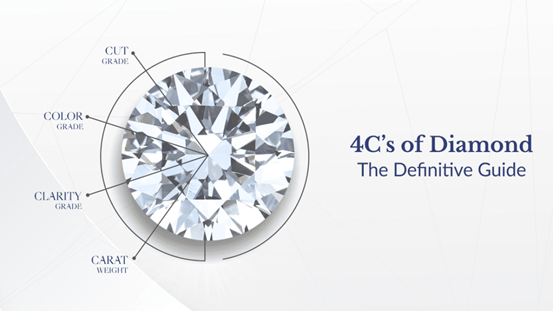
传统 4C(克拉 Carat、切工 Cut、净度 Clarity、颜色 Color)体系最初围绕天然白钻搭建,即便天然彩钻配套有彩级划分,依旧无法完整适配培育彩钻的色彩评价需求。基埃罗宝石实验室依托多年宝石检测经验与技术积累,结合科学分光检测、标准光源分级以及行业市场需求,创新推出培育彩钻4C+5G专属分级体系,用一套统一标准解决行业痛点,让培育彩钻颜色可定义、级别可量化、价值可对比、证书可溯源。
The traditional 4C framework (Carat, Cut, Clarity, Color) was originally designed for natural white diamonds. Even with supplementary fancy color grading for natural colored diamonds, it cannot fully meet the color evaluation requirements for lab-grown fancy colored diamonds. Drawing on years of gemstone testing expertise and technical accumulation, combined with spectrophotometric testing, standard light source grading and industry market demands, Gem Int Lab has innovatively launched the exclusive 4C+5G grading system for lab-grown fancy colored diamonds. This unified set of standards addresses core industry pain points, enabling definable color, quantifiable grades, comparable value and traceable certificates for lab-grown fancy colored diamonds.
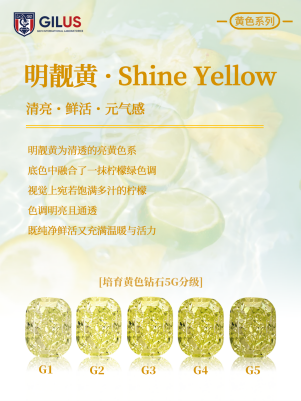
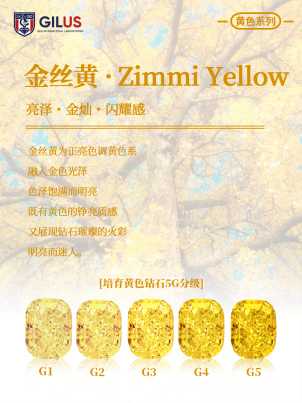
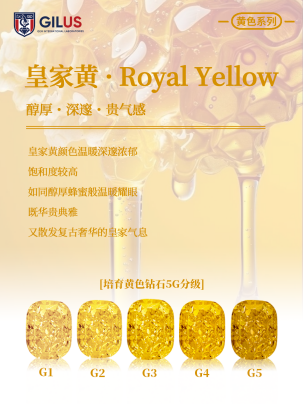
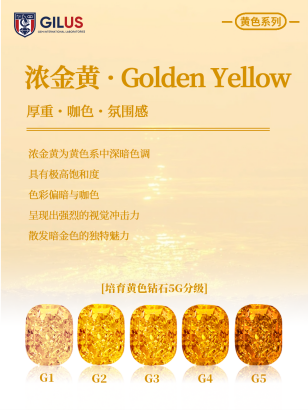
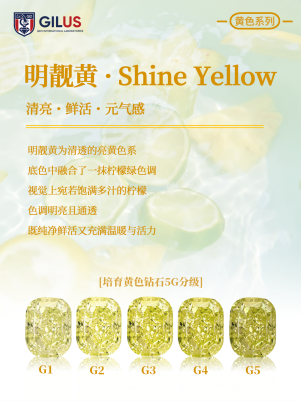
在这套体系当中,黄色系列培育钻石一共划分四大商业名称:
明靓黄:清透的亮黄色系,底色融入一抹柠檬绿色调,视觉上宛若饱满多汁的柠檬,色调明亮通透,纯净鲜活,兼具温暖与活力。
金丝黄:正亮调黄色系,带有金色光泽,色泽饱满明亮,既有黄色的明亮质感,又能充分展现钻石璀璨火彩。
皇家黄:颜色温暖深邃浓郁,饱和度较高,如同醇厚蜂蜜一般耀眼华贵,自带复古奢华的气质。
浓金黄:属于黄色系里的深暗色调,饱和度极高,色调偏暗、带咖调,视觉冲击力强烈,散发暗金色的独特魅力。
从地幔深处亿万年自然孕育的天然黄钻,到实验室可控生长、色彩稳定的培育黄钻,人类对钻石色彩的探索从未停下脚步。稀缺不再是彩钻唯一的评判标尺,分级标准也随之迭代更新。培育彩钻4C+5G分级体系的出现,为培育彩钻建立起一套科学、统一的评价语言,让色彩看得见、等级读得懂、价值可衡量。
Within this system, four commercial names are defined for the yellow series of lab-grown diamonds:
Shine Yellow: A translucent bright yellow range infused with subtle lemon-green undertones. It resembles a plump, juicy lemon — luminous, translucent, clean and vibrant, blending warmth and vitality.
Zimmi Yellow: A primary bright yellow range with golden luster. Rich and brilliant, it preserves the luminous quality of yellow while fully showcasing the diamond’s scintillation and fire.
Royal Yellow: Warm, deep and highly saturated, reminiscent of mellow honey. Luxurious and eye-catching, it carries a vintage opulent aura.
Golden Yellow: The darkest tier within the yellow range, featuring extremely high saturation with dark, brownish undertones. It delivers strong visual impact and the distinctive allure of dark gold.
From natural yellow diamonds nurtured over hundreds of millions of years deep in the mantle, to lab-grown yellow diamonds cultivated under controlled conditions with stable coloration, humanity’s exploration of diamond color continues without pause. Scarcity is no longer the sole yardstick for judging fancy colored diamonds, and grading standards have evolved alongside it. The introduction of the 4C+5G grading system for lab-grown fancy colored diamonds establishes a scientific, universal evaluation language for this category, making color visible, grades intelligible and value measurable.